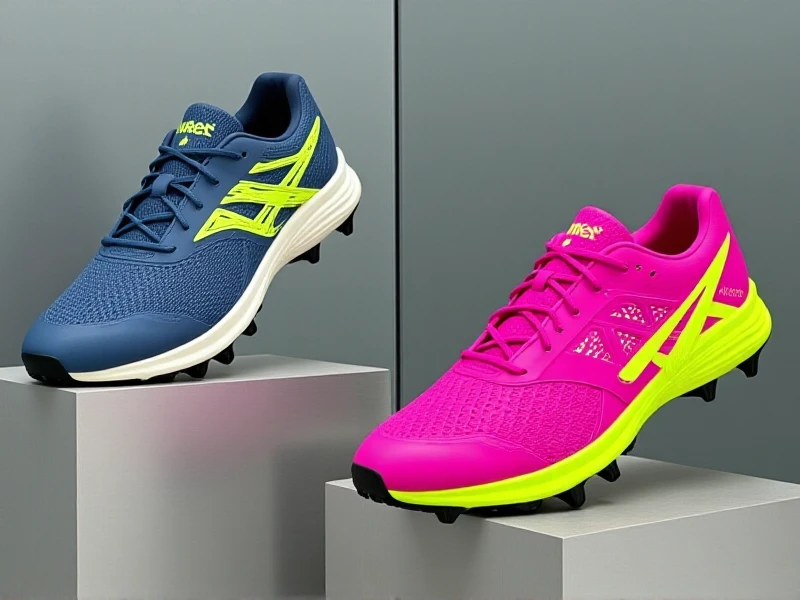
Choosing the Perfect Soccer Cleats for Your Game
Finding the right pair of soccer cleats is crucial for performance, comfort, and safety on the pitch. Whether you're a weekend warrior or aspiring pro, the wrong boots can hinder your game, while the right ones feel like an extension of your foot. Here's what to consider when investing in soccer cleats.
1. Playing Surface is Paramount: The field dictates your choice. Firm Ground (FG) cleats, with numerous conical or bladed studs, are designed for natural grass fields that are firm and dry. For softer, wet natural grass or artificial turf with longer blades, consider Soft Ground (SG) cleats with fewer, longer studs (often removable). Artificial Grass (AG) cleats feature numerous shorter, more conical studs specifically engineered for synthetic turf to prevent ankle stress and improve traction. Turf (TF) shoes have hundreds of tiny rubber studs, ideal for hard artificial turf surfaces or dry, hard natural ground. Hard Ground (HG) options offer durability and stability on compact, dry natural surfaces.
2. Fit and Feel Matter Most: Comfort is non-negotiable. Soccer cleats should fit snugly, almost like a second skin, without pinching toes or causing hotspots. Your foot should feel securely locked in, particularly around the heel (preventing slippage) and midfoot (enhancing feel and control). Always try them on with the type of socks you play in. Width is also essential – some brands offer specific wide-fit options.
3. Material Defines Touch and Durability:
- Leather (Kangaroo or Premium Calf): Offers the softest, most natural feel and stretch for comfort but requires more maintenance and is less durable than synthetics. Ideal for players prioritizing touch and a glove-like feel.
- Synthetics (Flyknit/Mesh/Knit/PU): Lighter, more durable, water-resistant, and often more affordable. Modern synthetics provide excellent lockdown and ball feel. They hold their shape well over time.
4. Stud Configuration and Boot Weight:
- Stud Pattern: Affects traction, acceleration, and agility. Bladed studs often provide quicker acceleration and sharper turns, while conical studs offer more cushioning and facilitate easier rotation. Consider a hybrid soleplate for multi-directional traction.
- Weight: Lighter soccer cleats (made with synthetics or knitted materials) boost speed and agility. Players in positions demanding explosive speed often favor lightweight boots. Leather cleats, while slightly heavier, provide unmatched comfort and protection.
5. Position and Preference Play a Role:
- Strikers & Wingers: Often prioritize lightweight boots for explosive acceleration and frequent boot changes (soft touch materials like mercurials or phantoms).
- Midfielders: Balance touch, protection, comfort, and durability across synthetic and leather options (Predators or Tiempos often favored).
- Defenders & Keepers: Value durability, ankle protection, comfort during prolonged play, and strong strikepower for clearances (sturdier leather or synthetic boots).
In Summary: Don't underestimate the power of the right soccer cleats. Focus on the surface you play on most, achieve a secure and comfortable fit, consider the material benefits, and reflect on how the boot's weight and features complement your playing style. Investing time in selecting the perfect pair pays dividends in performance, comfort, and injury prevention. Visit our boot room collection to find your ideal match and step onto the field with confidence! Lacing up a fresh pair designed for your game is pure magic.