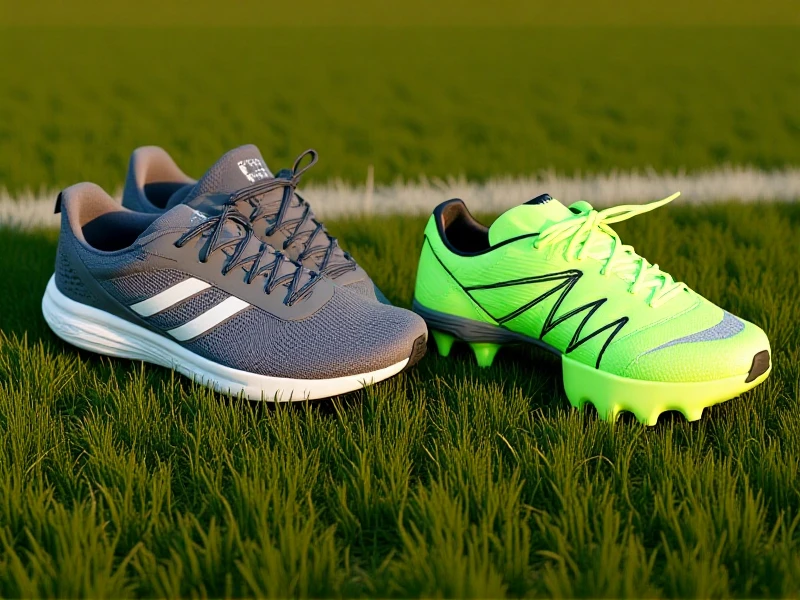
Your Ultimate Guide to Choosing the Best Running Shoes
Running is one of the most accessible and rewarding forms of exercise, but many enthusiasts overlook a key element: the right pair of running shoes. I’ve seen firsthand how ill-fitting or worn-out shoes can ruin a good run, leading to blisters, joint pain, or even long-term injuries. That’s why investing in proper running shoes isn’t just a luxury—it’s essential for performance and health. Whether you're a beginner tackling your first 5K or a seasoned marathoner, this guide dives into what makes these shoes so crucial and how to pick the perfect pair for your stride.
First, let’s explore why running shoes matter so much. Unlike regular sneakers, they’re engineered with advanced cushioning, arch support, and flexibility to absorb impact and protect your feet on varied terrains. As someone passionate about running myself, I always remind friends that poor choices can cause issues like plantar fasciitis or shin splints. Premium options feature responsive midsoles and breathable uppers to enhance comfort and efficiency. For instance, brands like Nike, Brooks, and ASICS offer models tailored to cushion-heavy runners or those needing extra stability—proving that a smart selection boosts endurance, especially during long sessions on roads or trails.
Next, understanding the different types of running shoes is key to finding your fit. Most fall into categories like neutral (for natural foot motion), stability (to correct overpronation), or minimalist (for a barefoot-like feel). When trying them, consider your foot arch: flat-footed runners often benefit from stability shoes, while high arches do well with extra cushioning. A pro tip? Always shop in the afternoon when feet are slightly swollen, and aim for a thumb's width of space at the toe to prevent discomfort. I recommend testing several brands; for example, if you run on trails, opt for trail-specific shoes with grippy outsoles to avoid slips in wet conditions.
Finally, maintaining and upgrading your shoes ensures peak performance and safety. Most running shoes lose their support after 300–500 miles, so track your mileage or watch for wear signs like compressed cushioning. Rotate pairs if you run daily to extend their life. And when buying, visit specialized stores for gait analysis—it helps identify issues early and saves money on physio visits later. Wrap it up by investing in quality; after all, the right running shoes transform your routine, making every step smoother and more enjoyable for years of happy running. Remember, prioritize comfort and function—the journey starts with your feet!